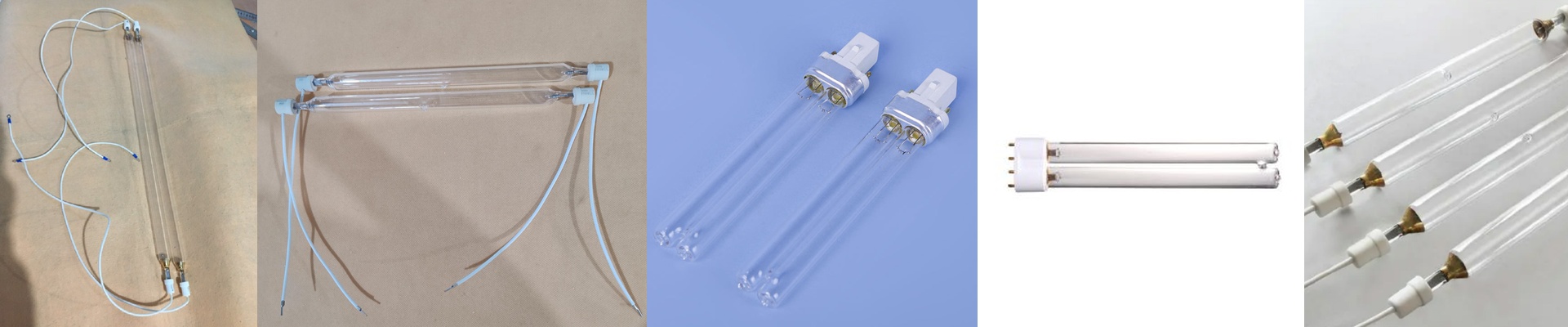
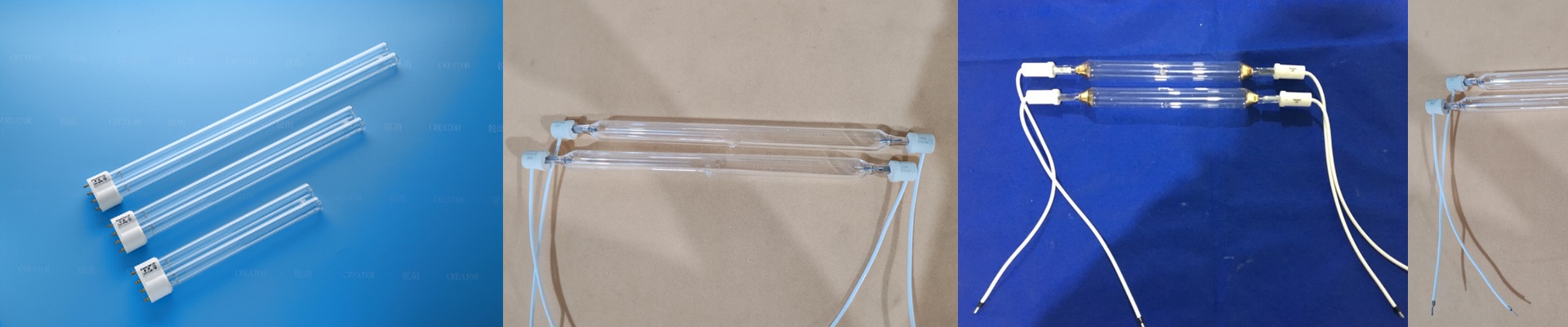
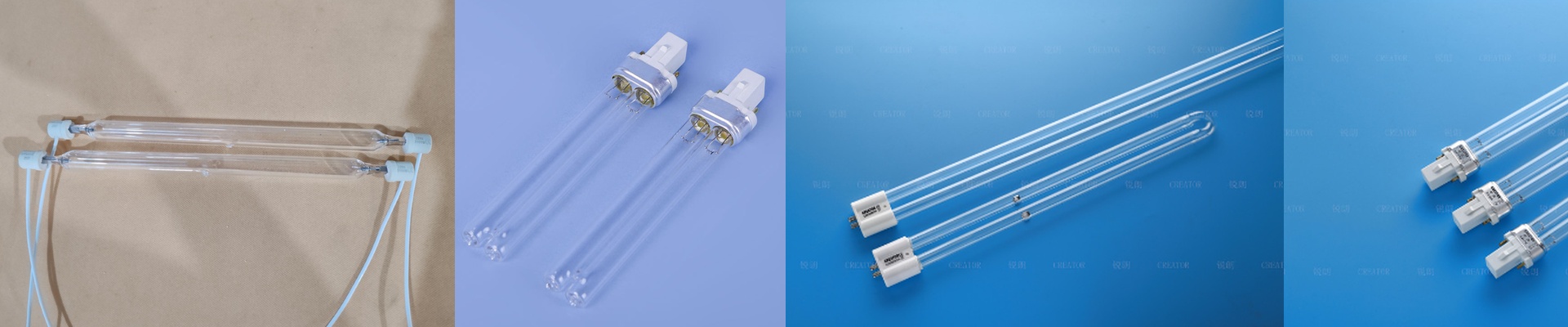
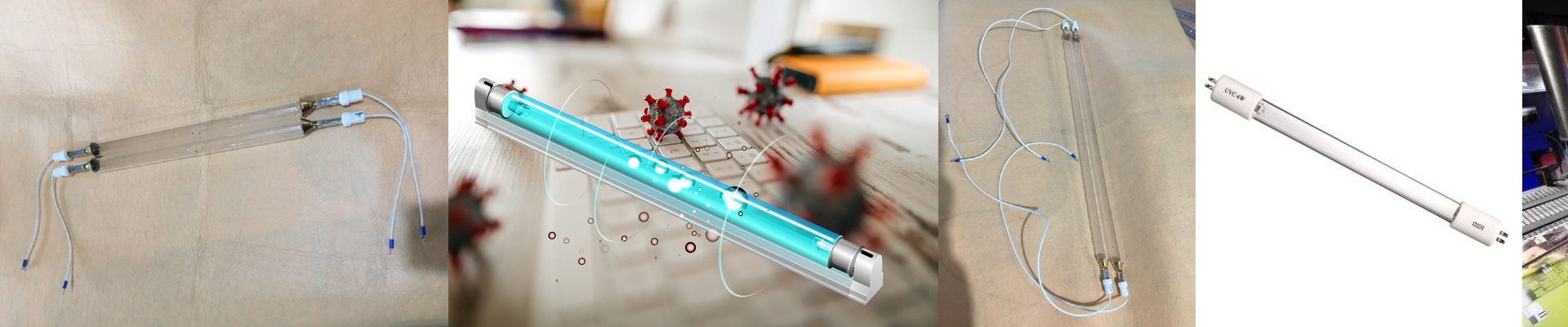
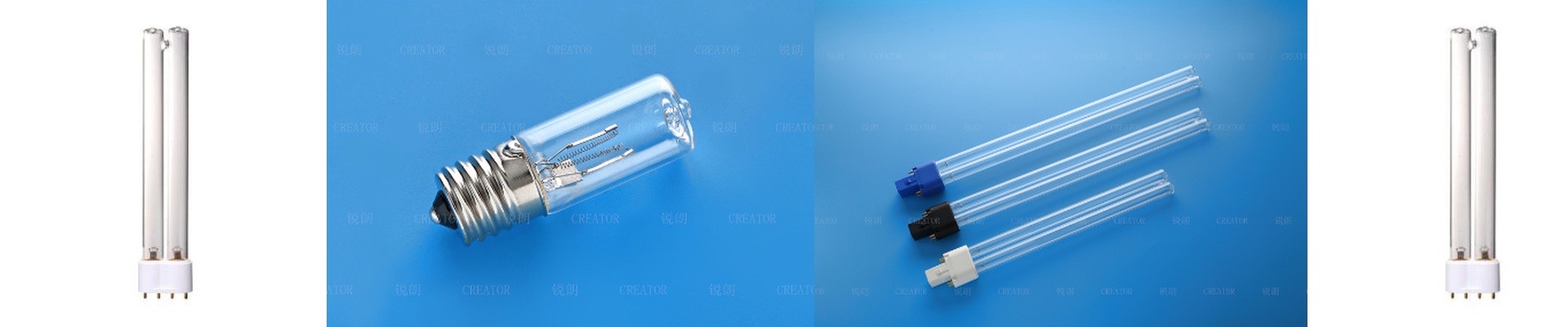
Out on the press floor, it’s usually not the ink that kills a thick-film UV job. It’s the curing energy that can’t hold steady. Miss the right spectral peak, or let irradiance drift, and you’re left with uncured layers—scuffing yield and wasting material. בקו הייצור, בדרך כלל זה לא הדיו שהורס עבודה של עובי-עבה UV. זה האנרגיה של הריפוי שלא מצליחה להישאר יציבה. אם מפספסים את שיא הספקטרום הנכון, או נותנים לעוצמת הקרינה לסטות, נשארים עם שכבות לא מרופאות – מה שפוגע בתפוקה ומבזבז חומר.
We put every UV lamp through a two-hour, full-power burn-in under load before it ships. It’s 100% inspection, plain and simple, to catch early drift and stabilize output. That’s how you keep the process window predictable, shift after shift. אנחנו מפעילים כל מנורת UV במשך שעתיים במלוא ההספק תחת עומס לפני שהיא נשלחת. זו בדיקה של 100%, פשוטה וברורה, כדי לתפוס סטיות מוקדמות ולייצב את התפוקה. כך שומרים על חלון תהליך צפוי, משמרת אחרי משמרת.
What matters, technically מה שחשוב, מבחינה טכנית
For thick film, gallium UV emitters shape the spectrum where it counts: centered around 395–405 nm, with strong output at 365 nm—the wavelength where photoinitiators in opaque films actually respond. Peak irradiance stays consistent because of a high-reflectance dichroic reflector and stable arc control, which translates to more energy density (mJ/cm²) across the substrate. במקרה של עובי-עבה, מפיצי UV עם גאליום מעצבים את הספקטרום במקום הקריטי: במרכז בין 395–405 ננומטר, עם עוצמה חזקה ב-365 ננומטר – האורך גל שבו הפוטואיניציאטורים שבשכבות אטומות מגיבים בפועל. עוצמת הקרינה בשיא נשארת קבועה בזכות רפלקטור דיכרואי בעל החזר גבוה ושליטה יציבה על הקשת החשמלית, מה שמתורגם לצפיפות אנרגטית גבוהה יותר (mJ/cm²) על פני המשטח.
We engineer power density, lamp length, and end-of-life output to match press speeds without overdriving the arc. That keeps temperature rise in check and reduces thermal stress on the substrate. אנחנו מנדסים את צפיפות ההספק, אורך המנורה, ותפוקת סוף החיים כך שיתאימו למהירויות המכונה בלי להעמיס יתר על המידה על הקשת. זה שומר על עליית טמפרטורה תחת שליטה ומפחית מתח תרמי על המשטח.
Why this works in the real world למה זה עובד בשטח
Thick films need deeper penetration and uniform cross-linking. The gallium-doped spectrum pushes photons deeper through pigmented layers, so you get better cure-through on coatings above 30 μm. שכבות עבות דורשות חדירה עמוקה וקישור צולב אחיד. הספקטרום המוקרן מגאליום דוחף את הפוטונים עמוק יותר דרך שכבות מפיגמנט, וכך משיגים ריפוי טוב יותר בציפויים מעל 30 μm.
Add in that two-hour full-load burn-in, and you get lamp-to-lamp consistency. Fewer stops to check adhesion. Less scrap that you can measure. Output stays stable over thousands of hours, rework drops, and maintenance intervals stay predictable. כשמוסיפים את ההפעלה בשעתיים במלוא העומס, מקבלים עקביות בין מנורה למנורה. פחות עצירות לבדיקת הידבקות. פחות פסולת שניתן למדוד. התפוקה נשארת יציבה לאורך אלפי שעות, העבודה מחדש יורדת, וזמני התחזוקה נשארים צפויים.
Here is what to keep in mind נקודות למחשבה
Match the emitter to your reflector geometry and the cure module airflow. Gallium lamps run hotter at the arc than some mercury options, so cooling has to be adequate and the fixture aligned properly—otherwise you risk hot spots and premature aging. התאימו את המפיץ לגיאומטריית הרפלקטור ולזרימת האוויר במודול הריפוי. מנורות גאליום פועלות בטמפרטורה גבוהה יותר בקשת לעומת חלק ממנורות הכספית, לכן הקירור חייב להיות מספק והמתקן מיושר כראוי – אחרת קיים סיכון לנקודות חמות ולהזדקנות מוקדמת.
Double-check spectral compatibility with your ink’s photoinitiators, and confirm voltage, connector, and length against the cure station footprint before you install. בדקו שוב את ההתאמה הספקטרלית עם הפוטואיניציאטורים של הדיו שלכם, ואשרו מתח, מחבר ואורך מול מיקום תחנת הריפוי לפני ההתקנה.