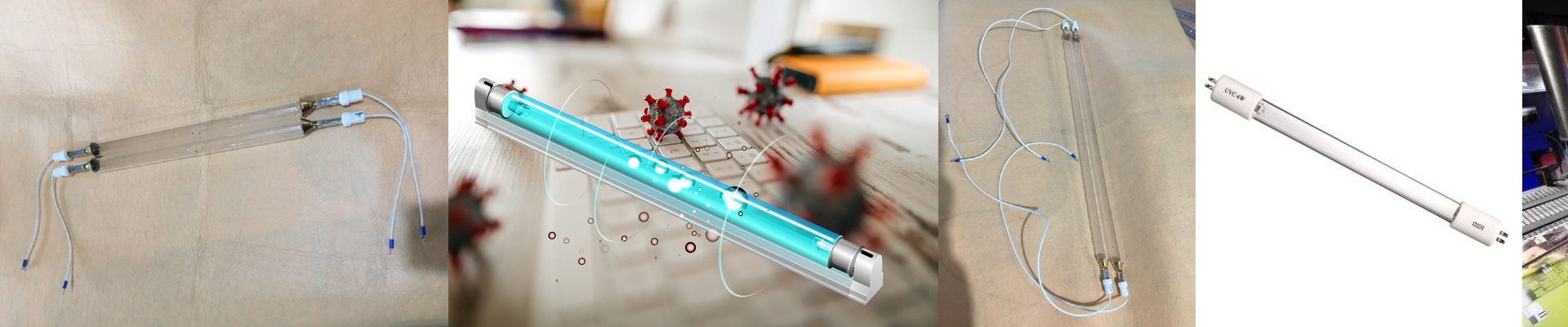


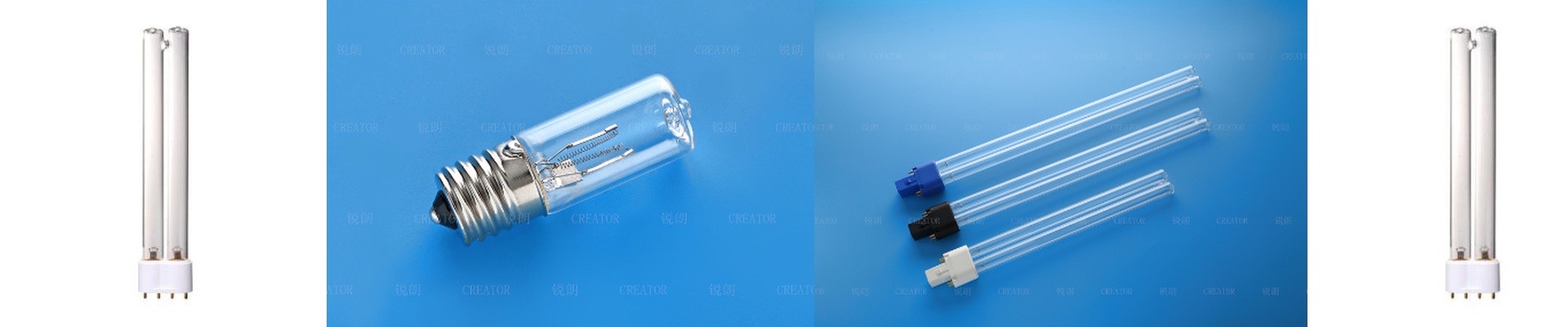

Why We Don’t Cut Corners on CE Certification for GaI UV Lamps
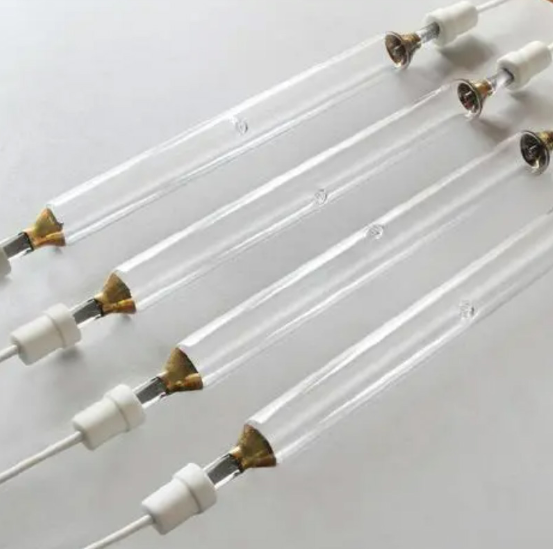
Gallium Iodide (GaI) lamps aren’t your run-of-the-mill mercury tubes. We build these for a very specific job—hitting that narrow 253.7nm spectrum for heavy-duty sterilization and industrial curing. When we talk about CE certification, we aren’t just checking a box or chasing a piece of paper. We’re talking about whether your hardware can actually handle the electrical grids in Europe or North America without popping a fuse or, worse, starting a fire. The nitty-gritty of electrical safety These lamps need precise voltage. If the ballast is off or the insulation gives way, you get an arc-over. It’s a mess. That CE mark is our way of saying we’ve double-checked the quartz envelope and the electrode seals. We’ve put them through the ringer to make sure they meet Low Voltage Directives. Plus, we test for Electromagnetic Compatibility (EMC). Why? Because the last thing you want is for a lamp’s high-frequency start-up to fry the sensors or PLCs in your control cabinet. Avoiding the nightmare scenario If you’re running a high-end operation, a line shutdown is the ultimate headache. Nobody wants to risk that. That’s where the certification comes in. It’s a baseline. It shows the lamp handles heat properly and doesn’t leak ozone. Without it, you’re likely to have your shipment seized at customs if you’re importing into the EEA. And if you’re working in a medical facility or a semiconductor cleanroom, it’s pretty much a requirement before you can even think about installing a replacement. The cost of doing it right Look, getting certified takes time. It costs more, too. Whenever we tweak a custom wattage or change a length, we have to run the whole validation cycle all over again. But here’s the thing: that’s a tiny price to pay compared to the horror of a lamp failing early because it couldn’t handle 230V/50Hz fluctuations. We do the hard work upfront so you can just wire it up, flip the switch, and trust that the output is staying rock solid.