


The Real Story Behind Industrial Mercury Bulbs
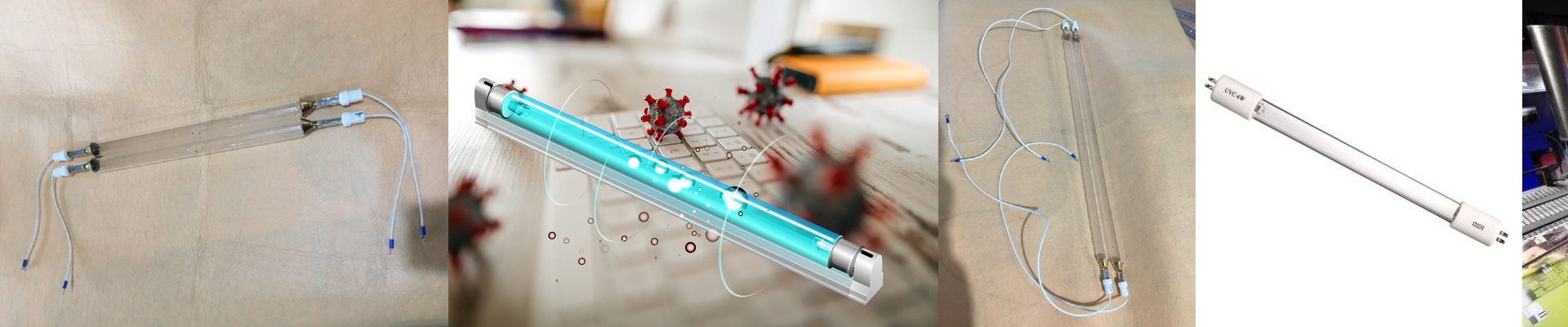
If you’re running a printing or coating line, you know the drill. You need that ink or adhesive to go from liquid to rock-solid in a heartbeat. That’s where our mercury UV bulbs come in. They aren’t just lights; they’re the heavy lifters that provide the raw energy needed to snap everything into place instantly.
How they actually work
Here’s the thing: we basically create a high-voltage electrical arc through mercury vapor. It sounds intense because it is. This process pumps out a ton of UVC and UVB radiation. We build these for high wattage for a reason. If you’re cranking up the speed of your conveyor belt, you’ve got less time to cure. To keep that same depth and quality, you simply need more watts per inch. It’s a straight line—faster belt, more power.
The gear inside
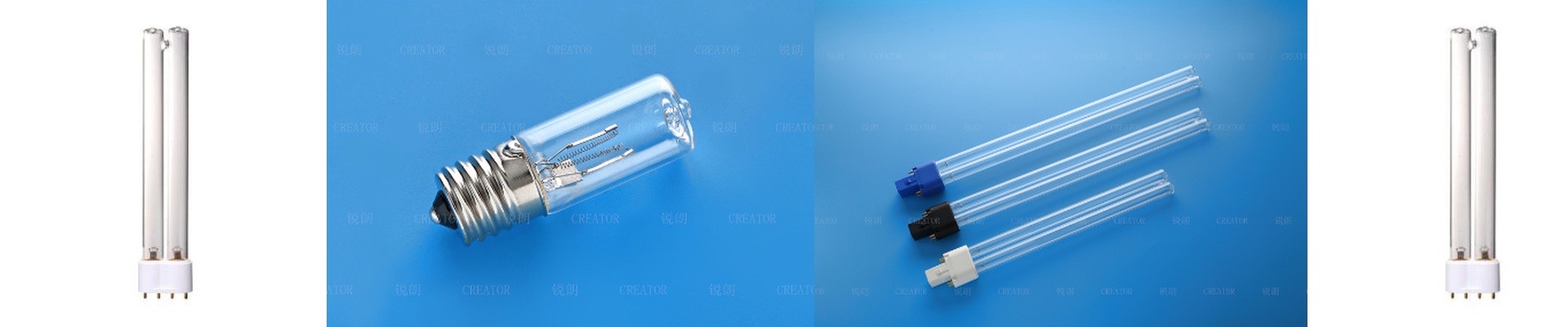
We don’t use just any glass. We use high-purity fused quartz. Why? Because standard glass would soak up the energy, get way too hot, and eventually just crack. Quartz lets the UV light fly right through. Then there are the electrodes. We’ve spent a lot of time making sure they don’t “sputter.” If you’ve ever seen a bulb get a weird metallic film on the inside, that’s sputtering. It blocks the light and kills the bulb’s lifespan. We’ve engineered ours to fight that. You’ll see these in different lengths and diameters to fit your reflectors. A tighter fit usually means a more focused beam, but be careful—that also traps more heat.
Making it work in your shop
These are designed to be drop-in replacements, so they should slide right into most industrial dryers. Just double-check that your ballast matches the voltage and current. And a word of warning: it’s tempting to push more current through a lamp to get more output. You can do it, but you’re basically trading the bulb’s life for a bit more brightness. The electrodes will burn out way faster. The biggest headache? Heat. These bulbs put out a massive amount of infrared radiation. If your cooling system—air or water—isn’t up to the task, you’re going to see your substrates warp. Keep them cool, and they’ll keep working.