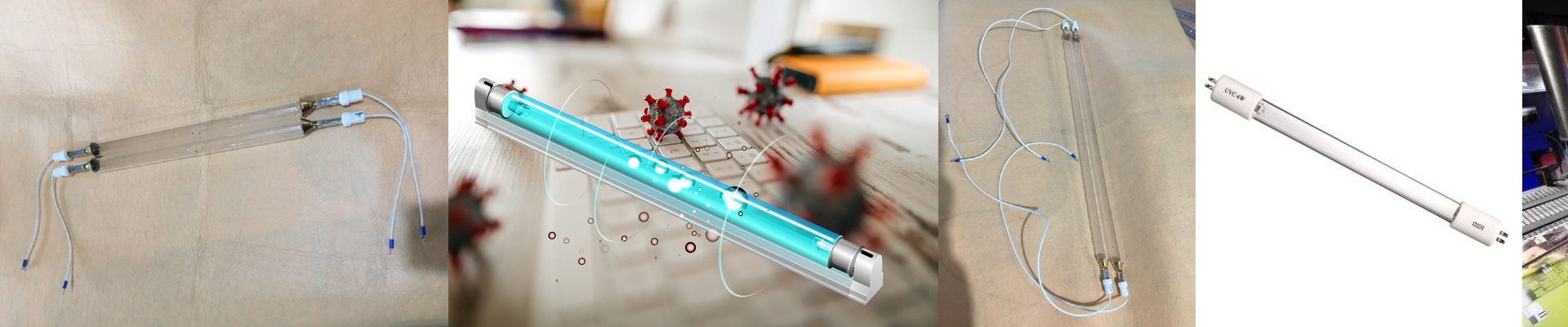
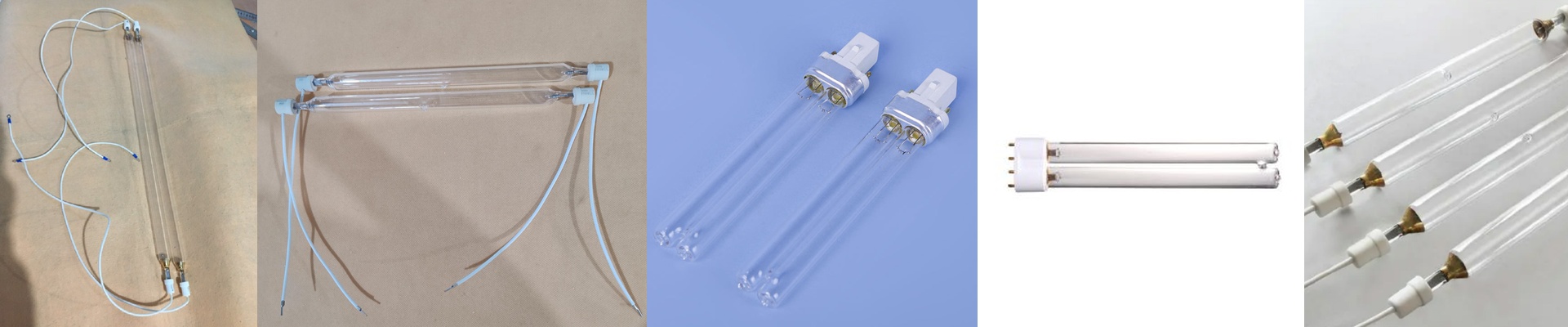
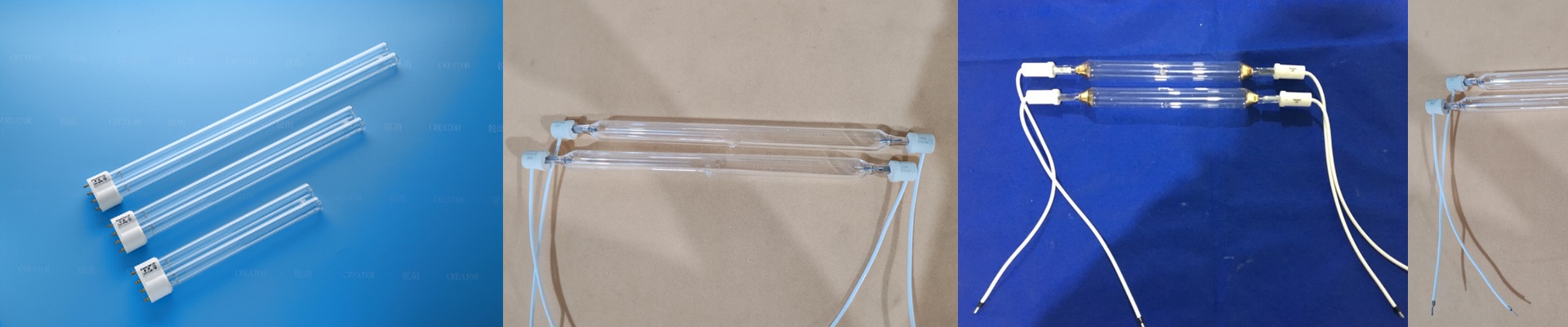
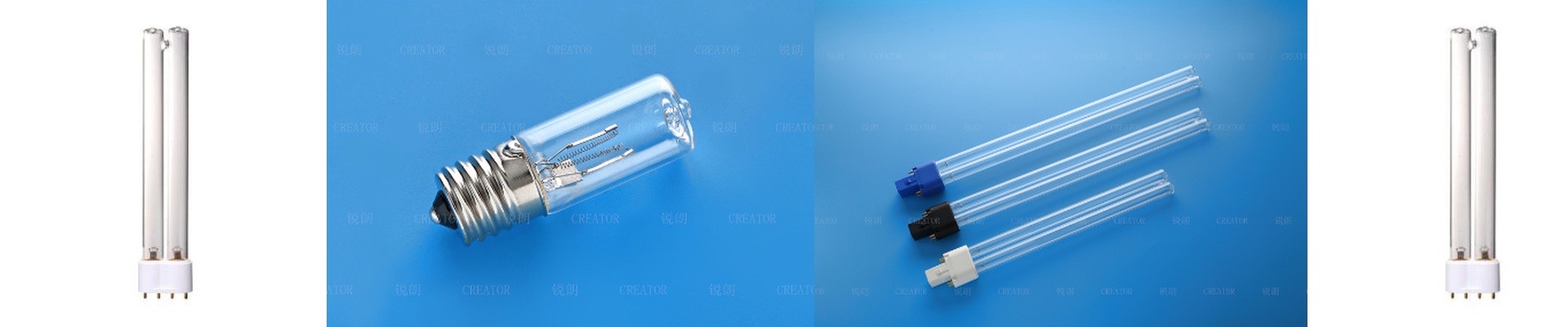
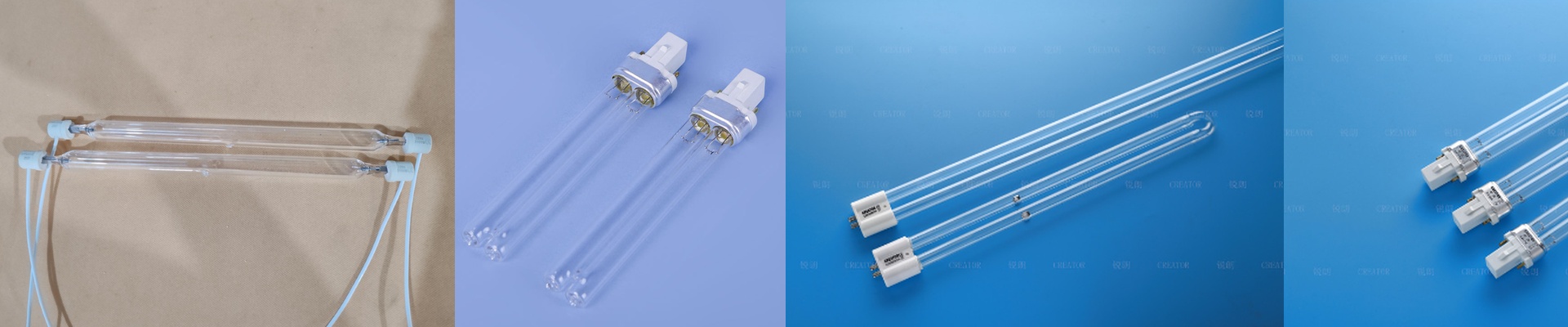
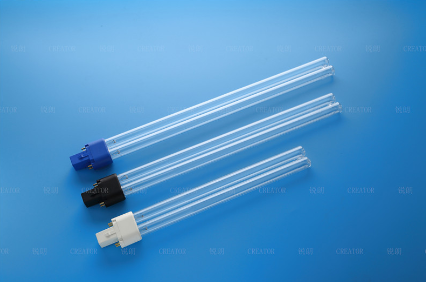
If you supply UV systems, you already know the market won’t put up with off-the-shelf lamps. One wonky spectral profile, one premature failure, and the customer’s line is down. That’s why we built an OEM UV lamp program that lets you put your name on hardware that behaves the same run after run—the kind that holds up under the spectrometer.
What actually matters, technically
We match the spectral output to the photoinitiator chemistry and the substrate sensitivity. In art restoration and conservation workflows, it usually comes down to a clean, narrow band around 365nm—minimal long-wave tail, and as little IR heat load as possible. Our lamps hold stable peak irradiance and repeatable energy density (mJ/cm²), so cross-linking stays consistent from job to job.
Reflectors use dichroic coatings to shape the output and keep heat away from delicate surfaces. You get measured output uniformity across the arc length, a controlled lamp life degradation curve, and ozone-free operation with quartz envelopes built for long duty cycles.
Why this works in the real world
With our OEM service, you define the wavelength, power density, junction temperature, and connector interface. We integrate the lamp into your equipment as your branded component. The payoff is fewer field failures, less spare-part inventory, and a product customers can actually service and trust.
For printers and curing lines, that means stable cure speeds, less rework, and maintenance intervals you can plan around—exactly what purchasing and maintenance people need.
A few things worth flagging
OEM integration is straightforward, but the lamp’s performance hinges on the ballast and cooling design. Match the driver to the lamp’s electrical characteristics and keep airflow across the reflector adequate. If you don’t, thermal runaway speeds up output decay.
Also, nail down the exact spectral window up front. Once the envelope and coating are set, changing the profile means starting over.