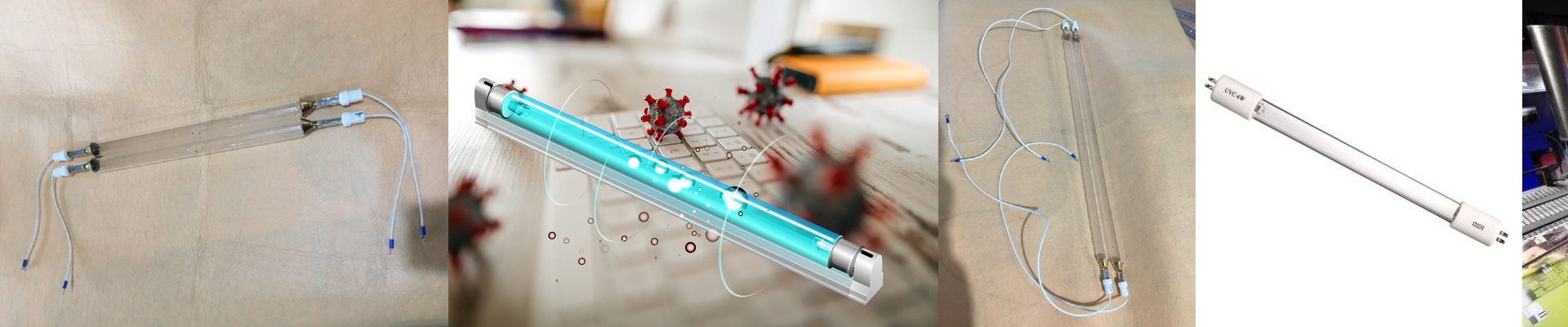
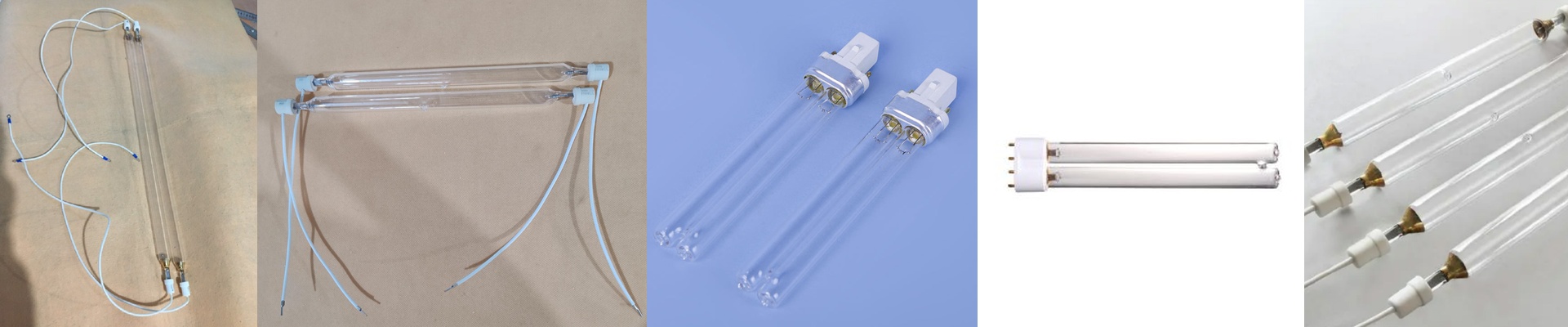
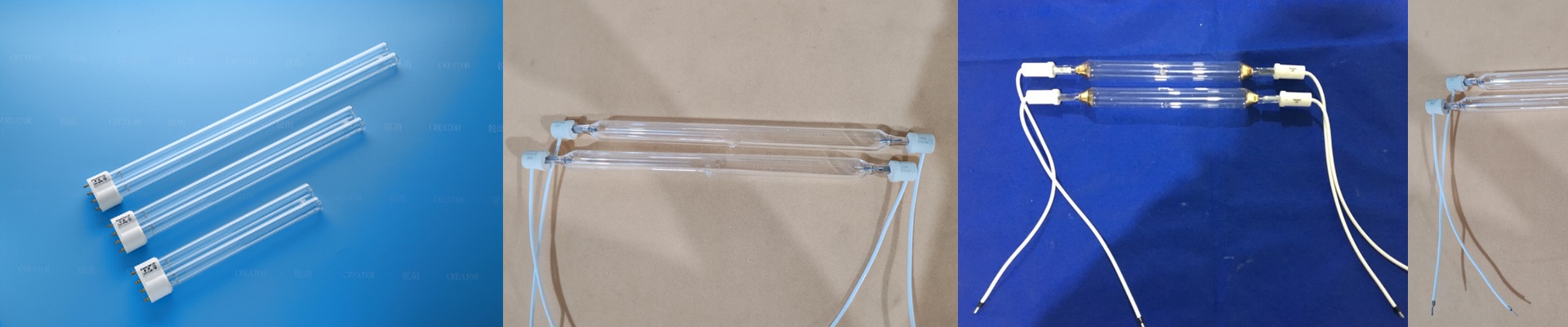
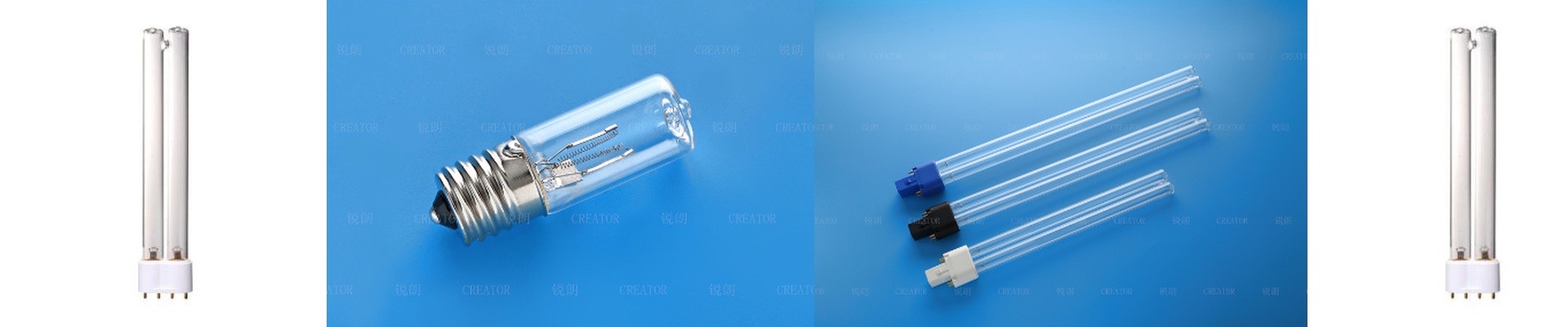
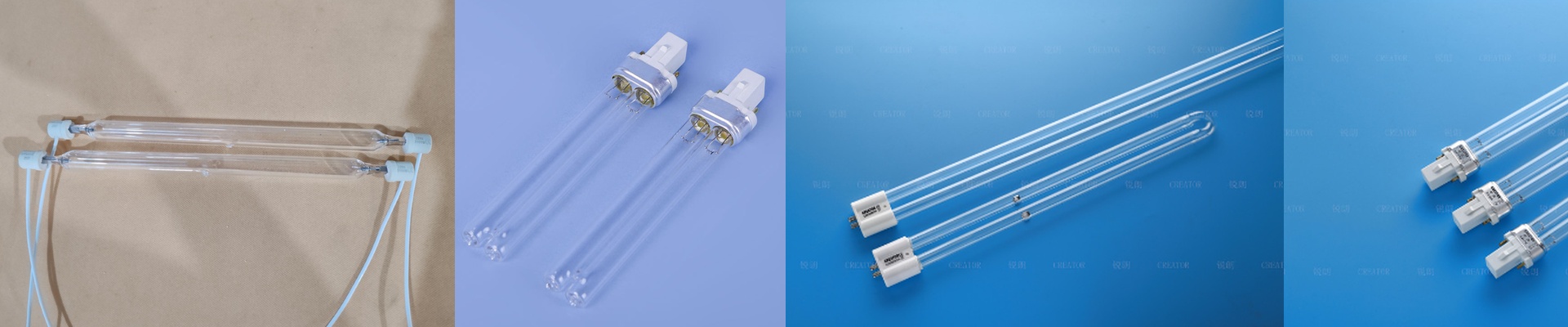
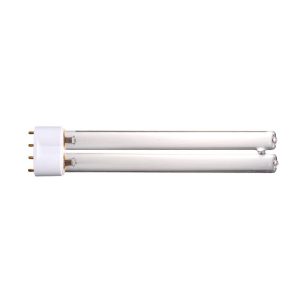
On a fully automatic elliptical screen press, you feel every millisecond. When the flash-dry zone drags, the whole line bogs down — starved for UV dose. The answer isn’t more heat. It’s UVC energy, matched to the chemistry, delivered with high peak irradiance. What actually matters under the hood We spec the industrial UVC germicidal tube for printing-line curing: 254 nm output that lines up with strong photoinitiator absorption, stable spectral output over thousands of hours, and quartz envelopes that keep transmission high. Hit 80–120 mJ/cm² at the substrate with a peak irradiance of 120–180 mW/cm², and you drive low-viscosity monomers into a cross-linked film in a fraction of the time thermal would take. And we measure output at the working plane with a spectral radiometer — not by guessing from lamp power. Here’s the payoff on an elliptical: shortening flash time is a throughput lever. Drop flash dwell by 30–50%, and you push more prints per hour, cut ink set-off, and tighten register because the substrate spends less time under thermal stress. The UVC tube comes up fast and repeats dose reliably, so the cycle stays predictable shift after shift — no chasing lamp degradation. You also use less energy, since curing time is shorter, and fewer lamp swaps mean less downtime. A few shop-floor details Match the lamp to the reflector geometry and the lamp-to-substrate gap. Irradiance drops off with the square of distance, so that gap matters. Make sure you’re running ozone-free in the enclosure, and confirm the power supply and connectors are rated for the lamp’s ignition and operating current. Plan for quartz maintenance, too. Keep the envelope clean — fingerprints and ink residues scatter UV and throw dose off.